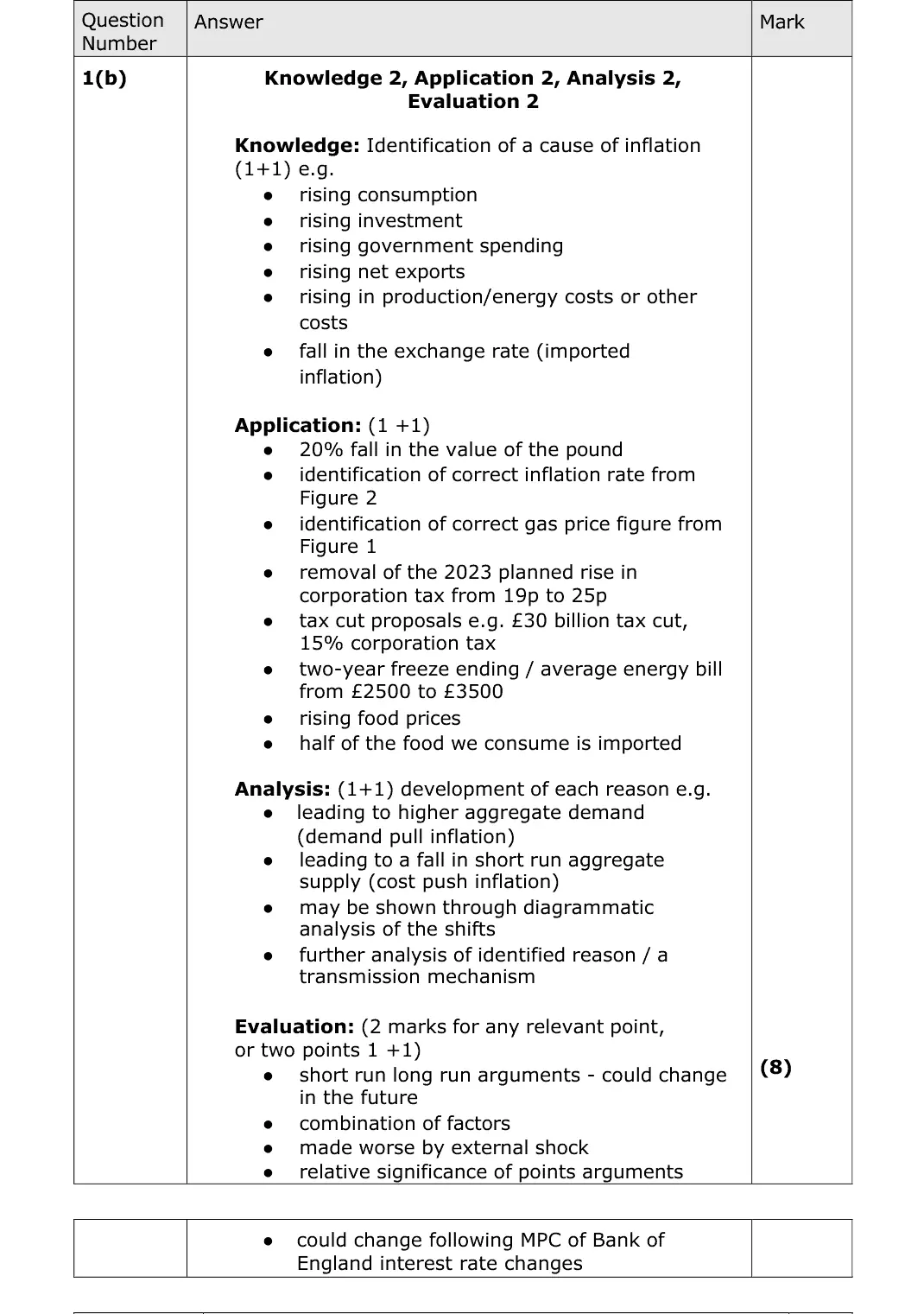
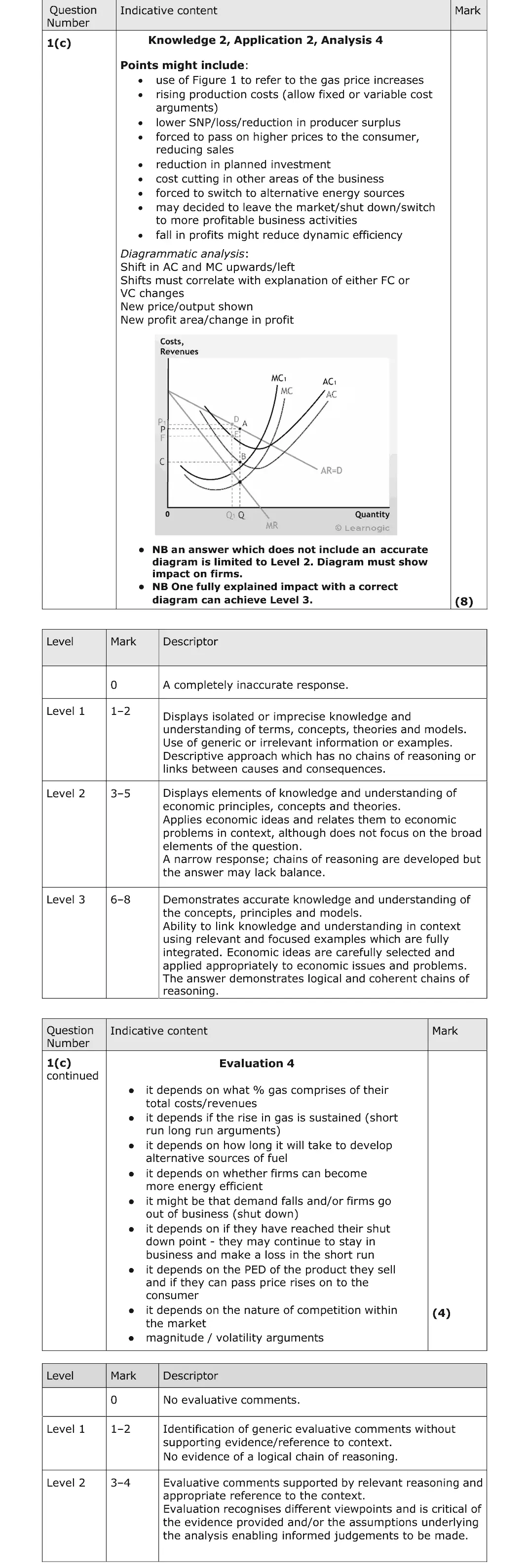
Data and extracts for question 1

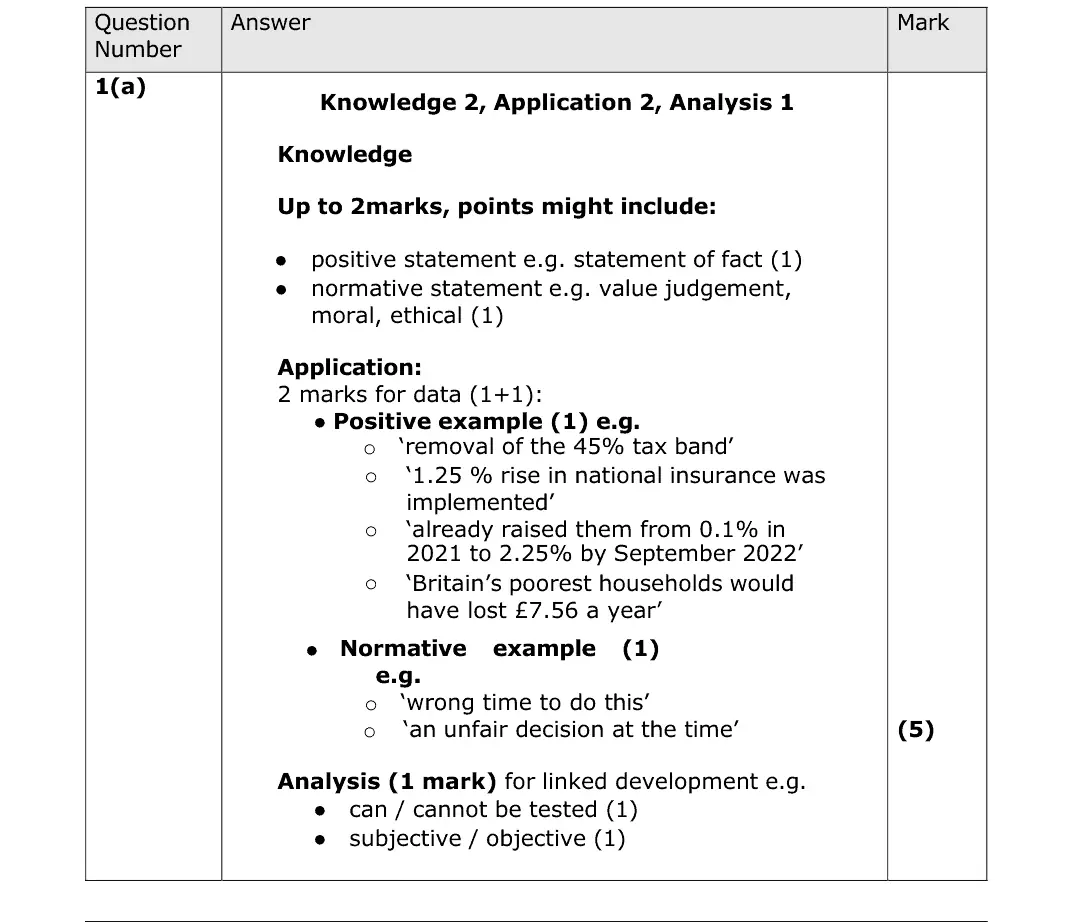
Mark scheme
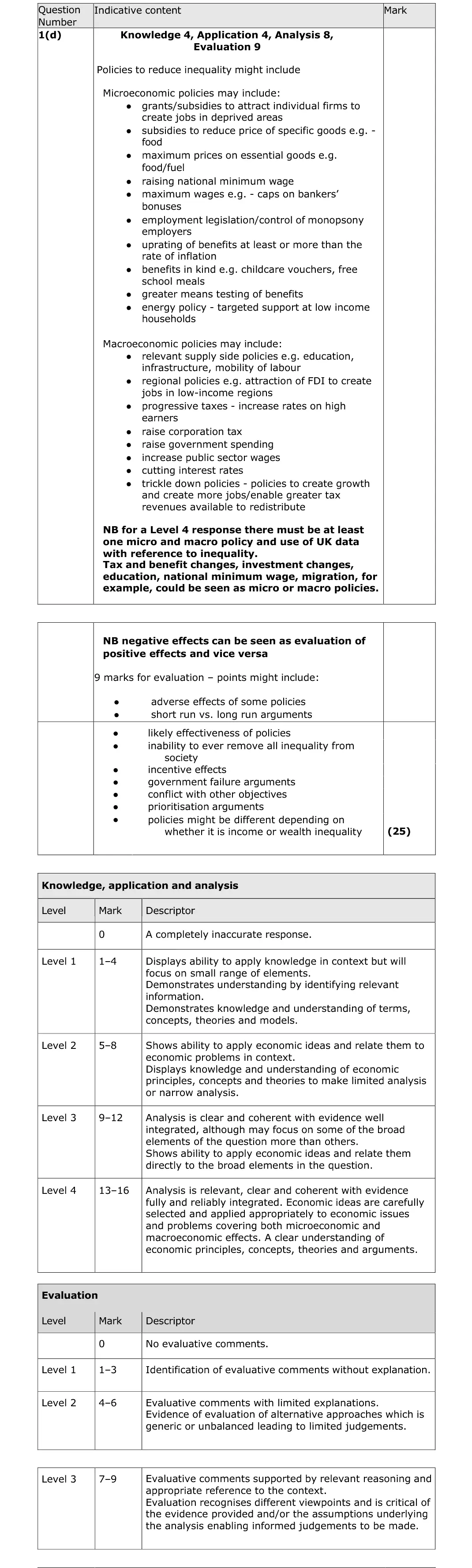
_MS.webp)
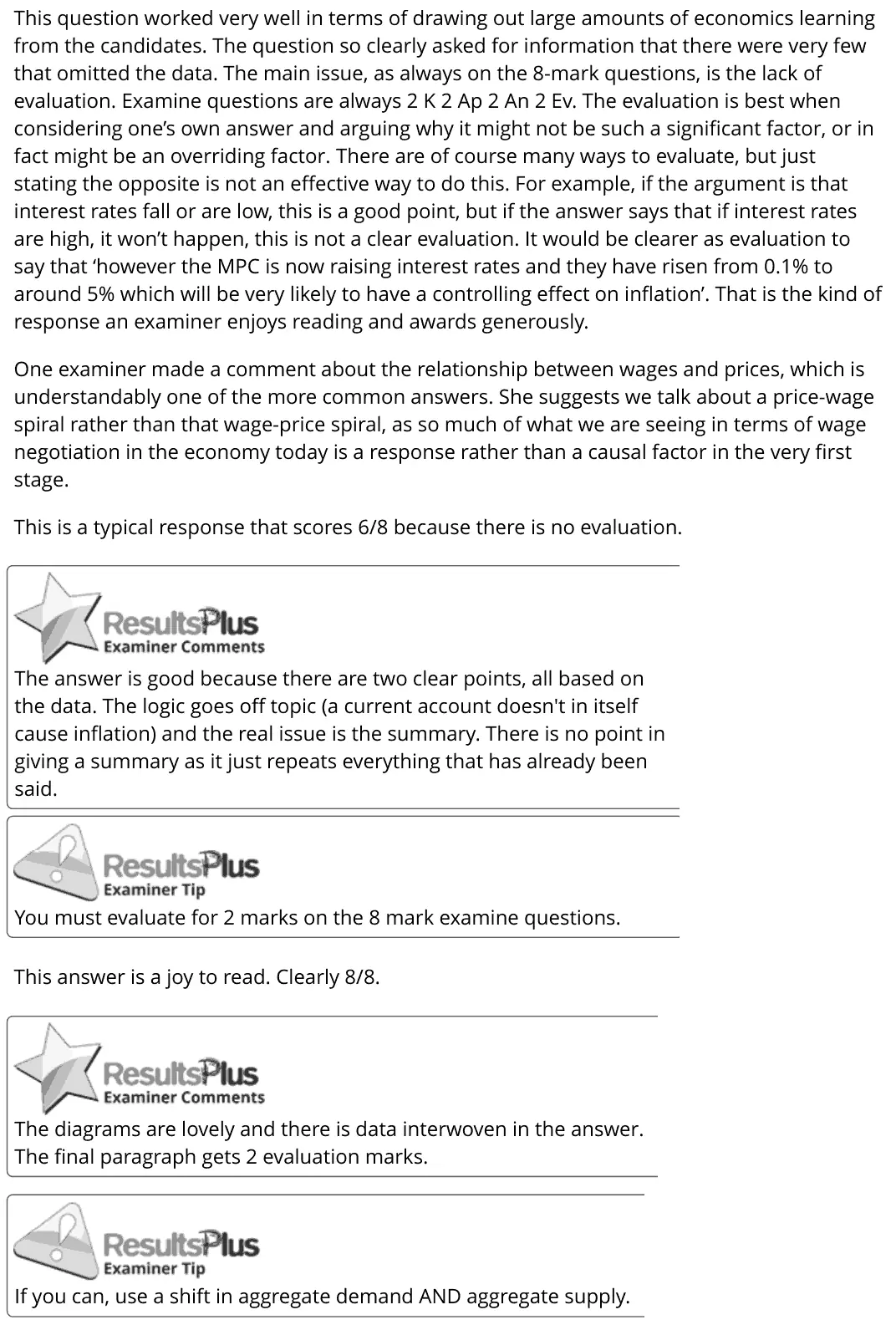
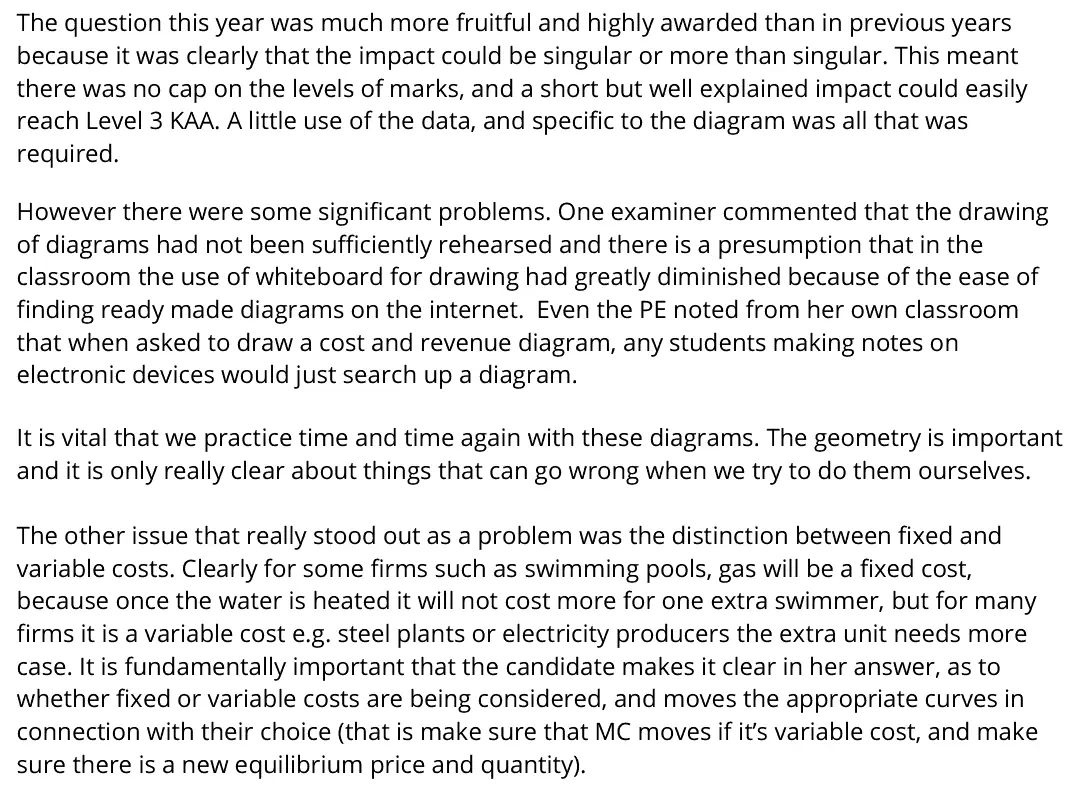
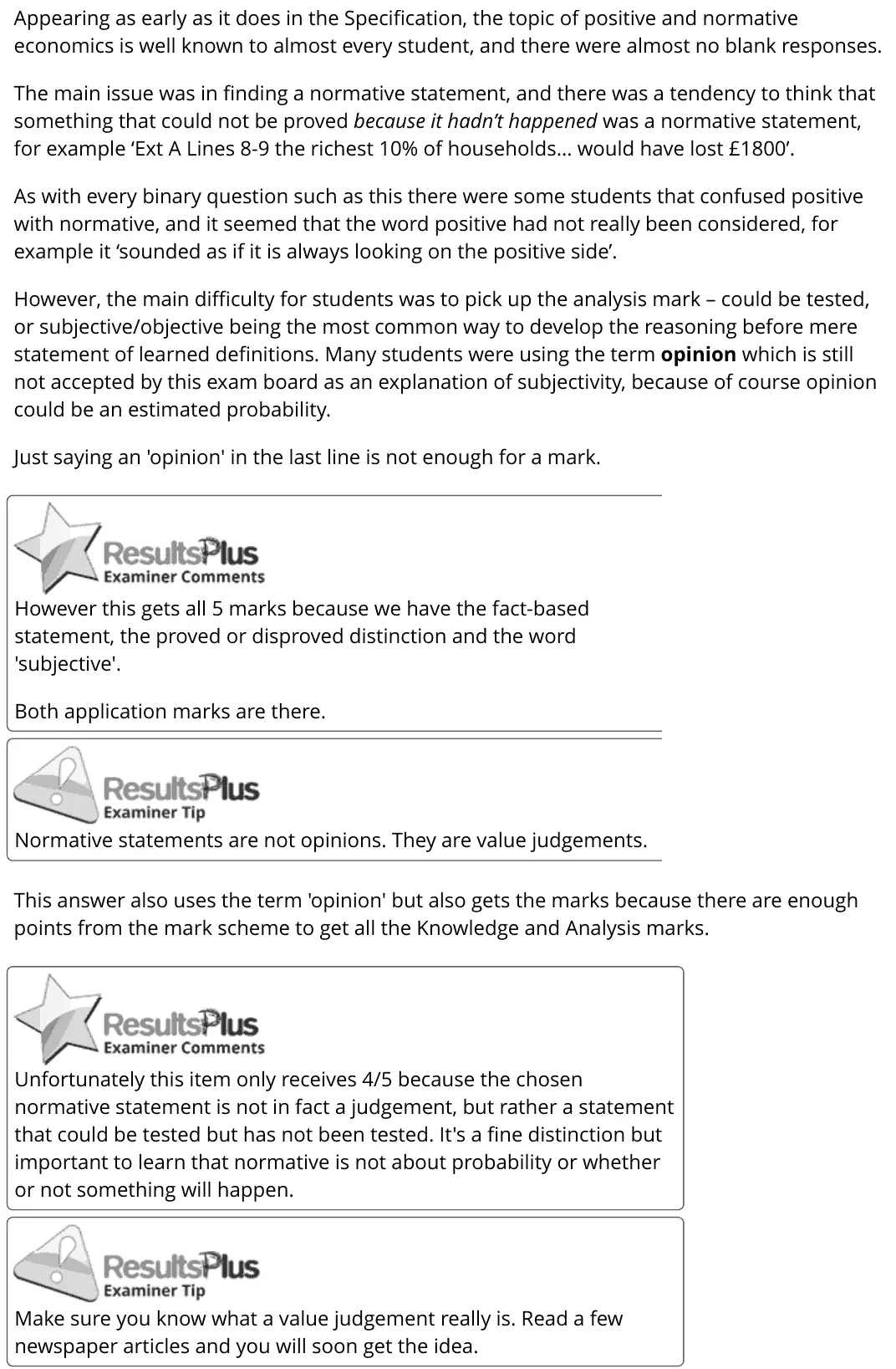
Examiner's comment
Appearing as early as it does in the Specification, the topic of positive and normative economics is well known to almost every student, and there were almost no blank responses. The main issue was in finding a normative statement, and there was a tendency to think that something that could not be proved because it hadn’t happened was a normative statement, for example ‘Ext A Lines 8-9 the richest 10% of households… would have lost £1800’. As with every binary question such as this there were some students that confused positive with normative, and it seemed that the word positive had not really been considered, for example it ‘sounded as if it is always looking on the positive side’. However, the main difficulty for students was to pick up the analysis mark – could be tested, or subjective/objective being the most common way to develop the reasoning before mere statement of learned definitions. Many students were using the term opinion which is still not accepted by this exam board as an explanation of subjectivity, because of course opinion could be an estimated probability. Just saying an 'opinion' in the last line is not enough for a mark. However this gets all 5 marks because we have the fact-based statement, the proved or disproved distinction and the word 'subjective'. Both application marks are there. Normative statements are not opinions. They are value judgements. This answer also uses the term 'opinion' but also gets the marks because there are enough points from the mark scheme to get all the Knowledge and Analysis marks. Unfortunately this item only receives 4/5 because the chosen normative statement is not in fact a judgement, but rather a statement that could be tested but has not been tested. It's a fine distinction but important to learn that normative is not about probability or whether or not something will happen. Make sure you know what a value judgement really is. Read a few newspaper articles and you will soon get the idea.
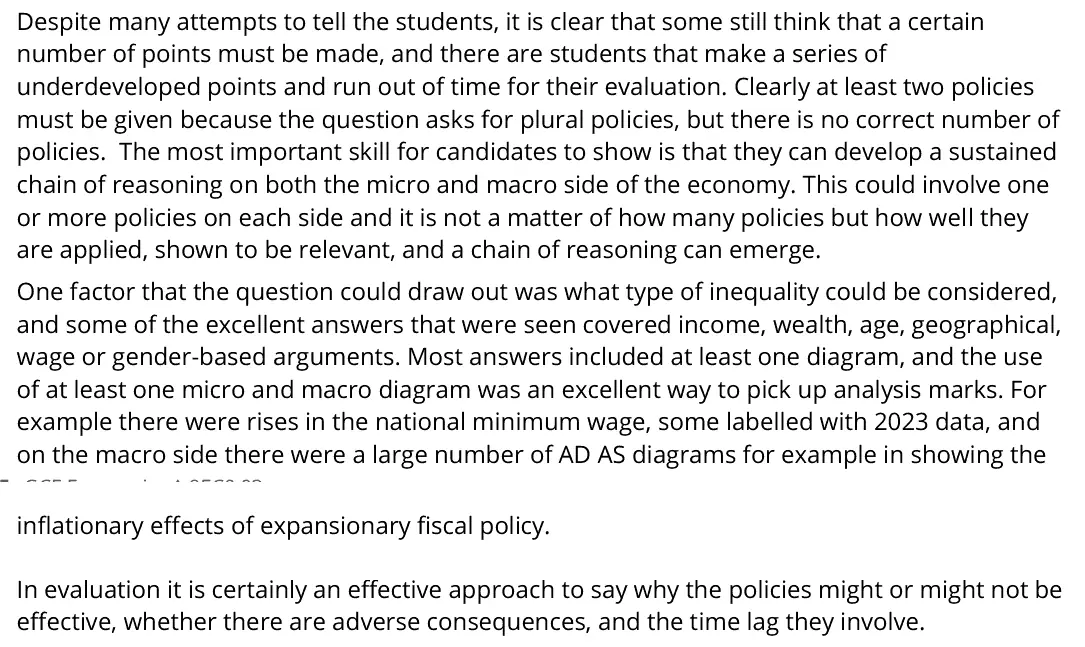
_ER.webp)
Notes from the mark scheme and report
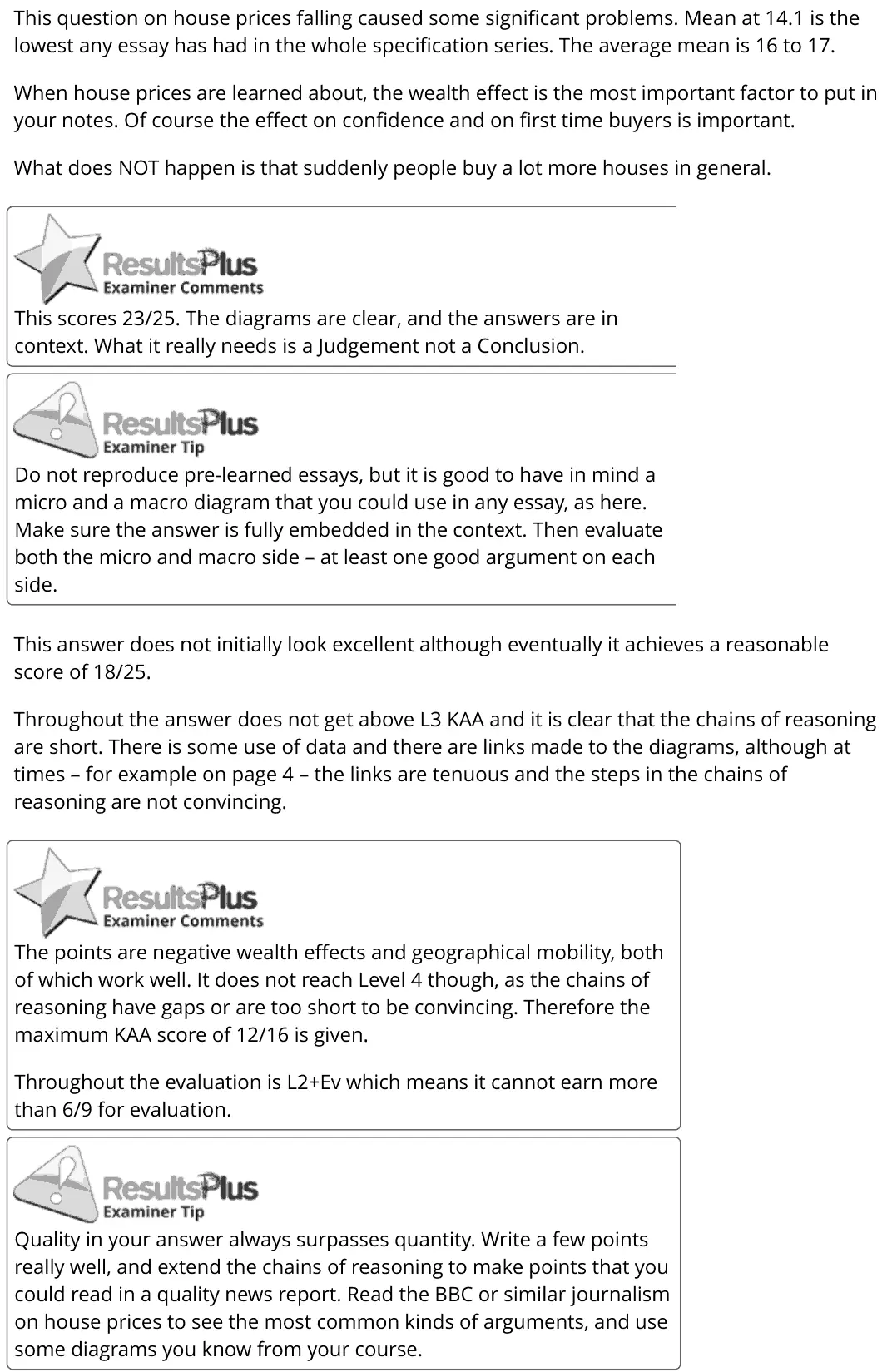
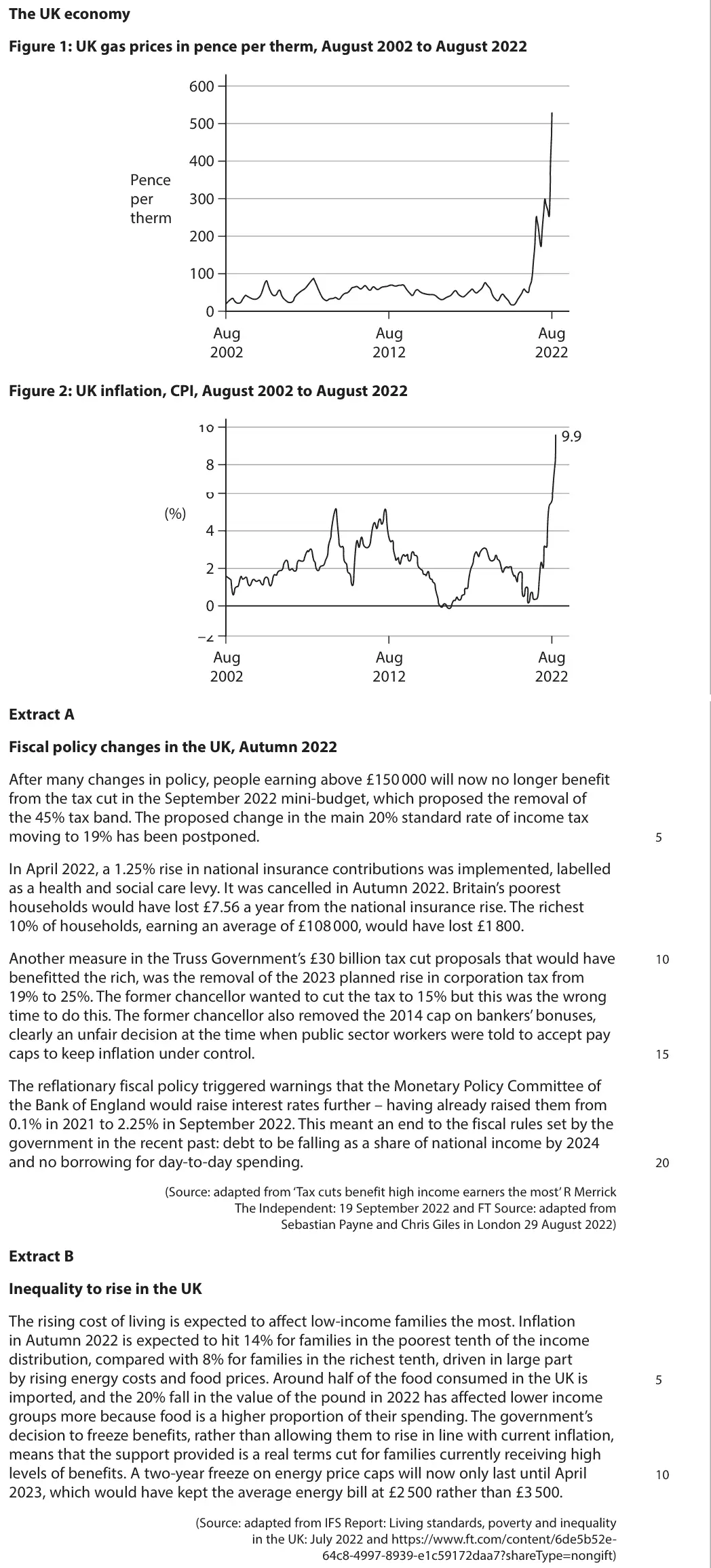
- positive = can be tested against facts (e.g. 1.25% rise in national insurance), normative = value judgement (e.g. 'an unfair decision', 'wrong time to do this')
- 'opinion' is not accepted for normative
- a prediction that cannot yet be proved is still positive
- analysis mark needs testable or objective v subjective

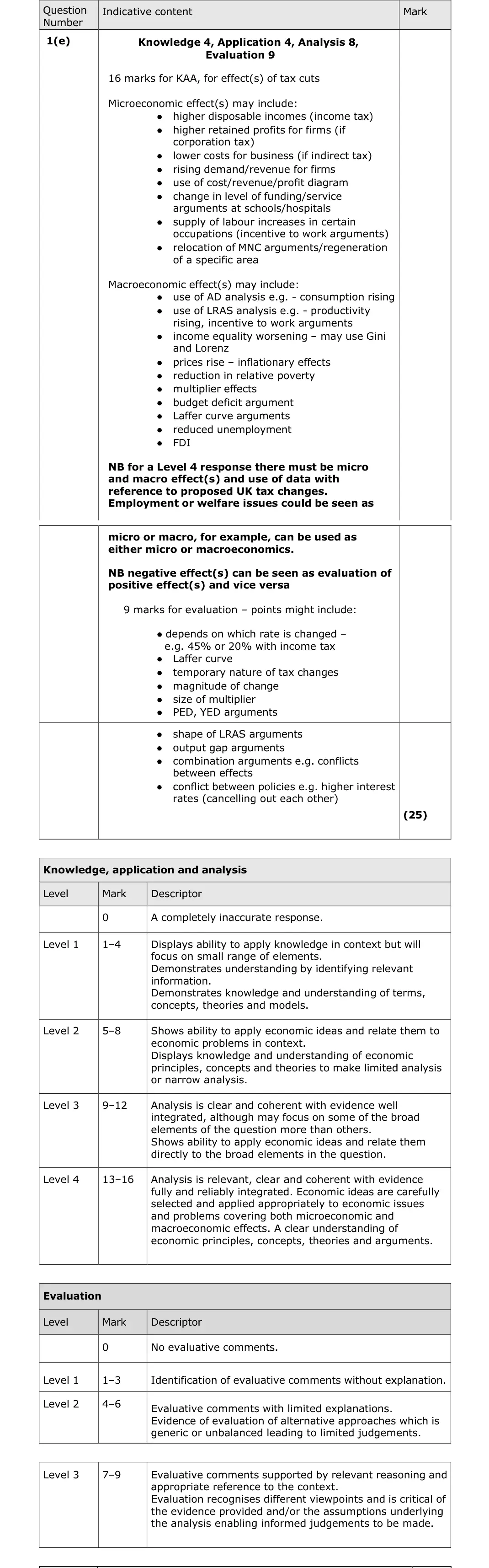
_MS.webp)
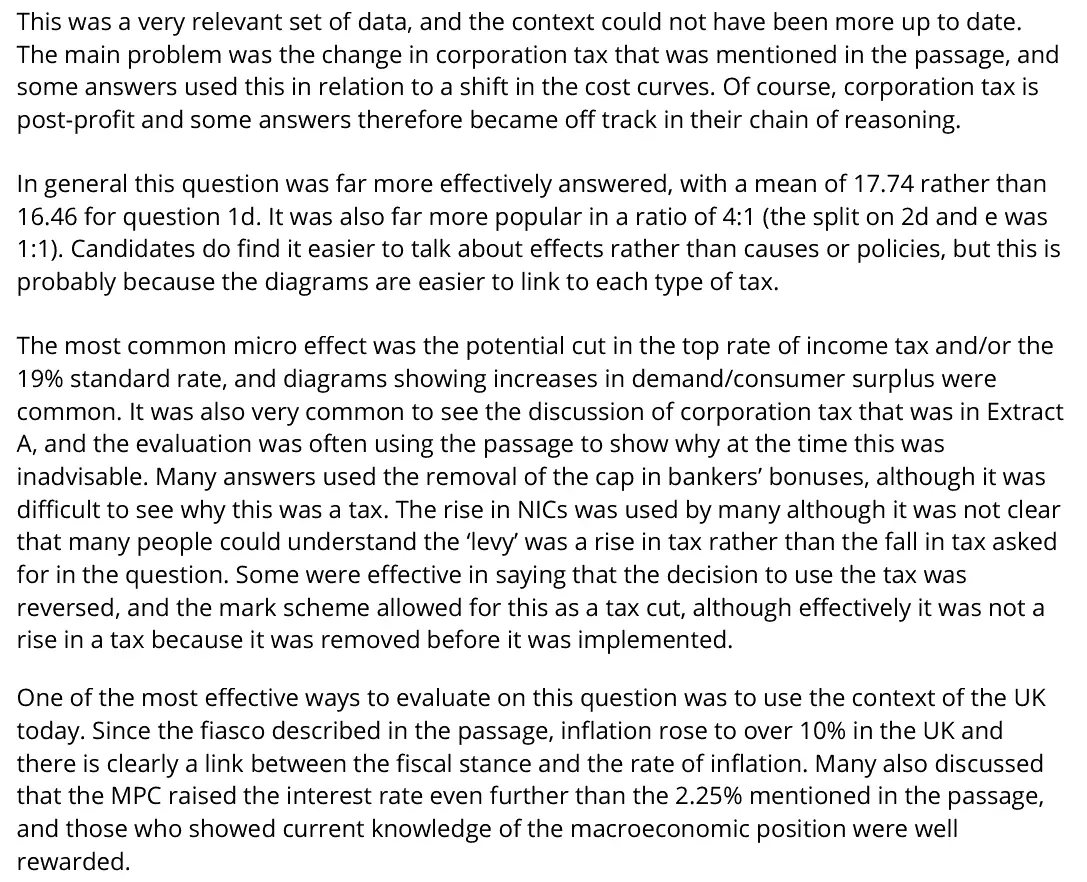
_ER.webp)
_MS.webp)
_ER.webp)
_MS.webp)
_ER.webp)
_MS.webp)
_ER.webp)
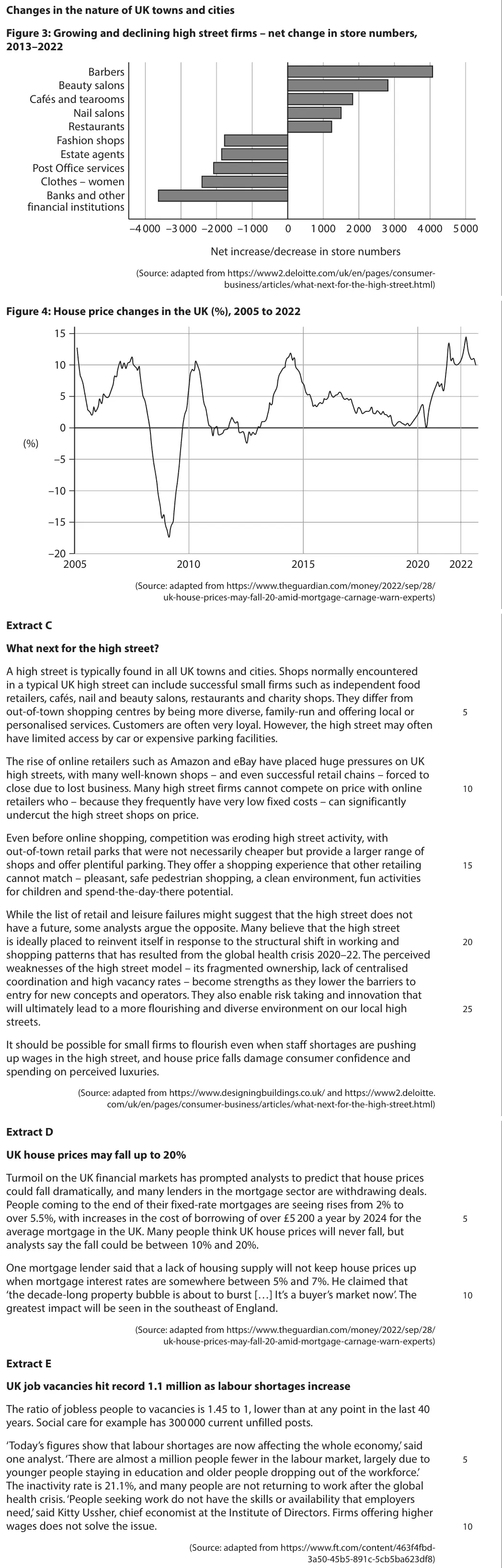
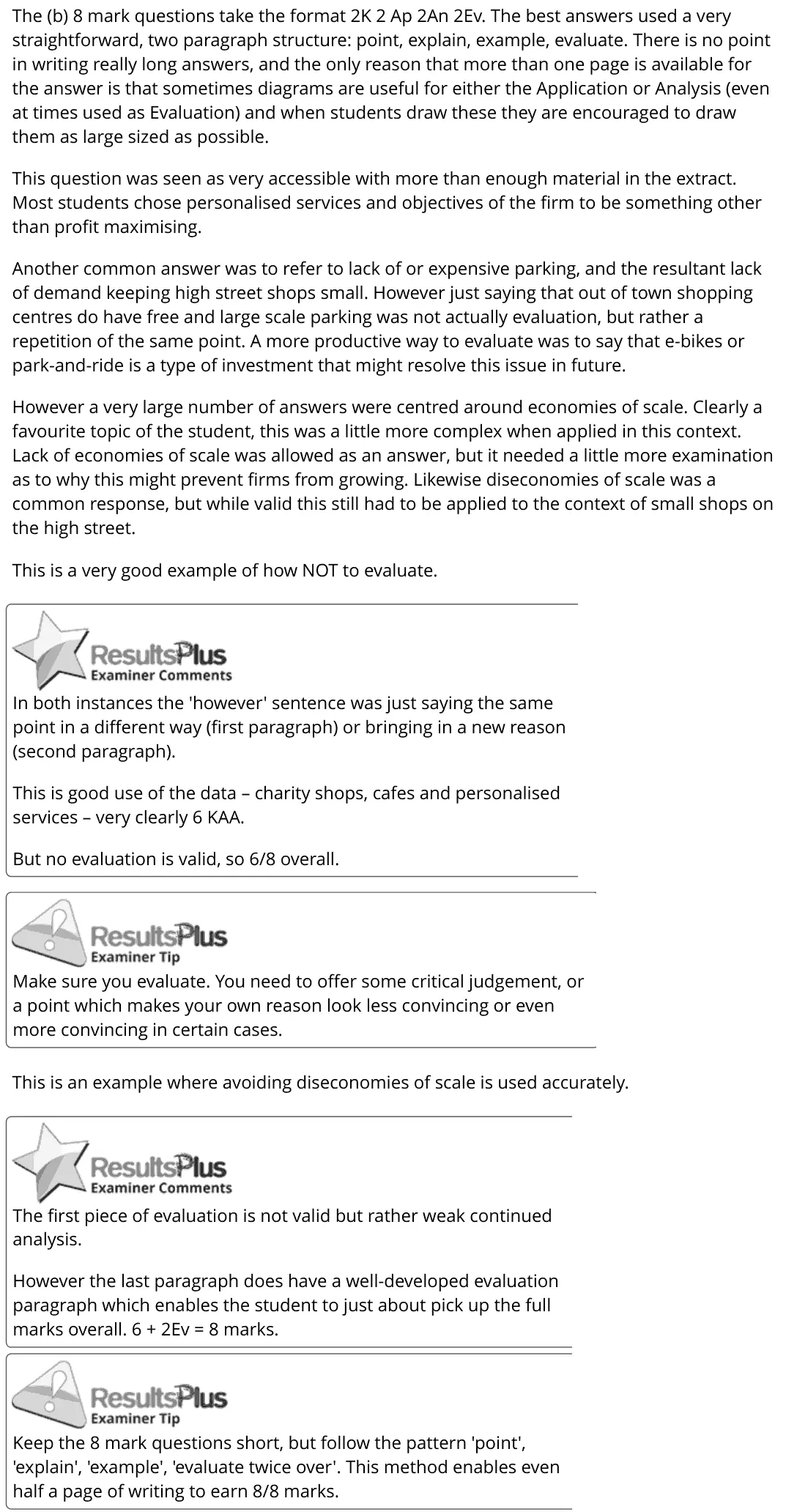
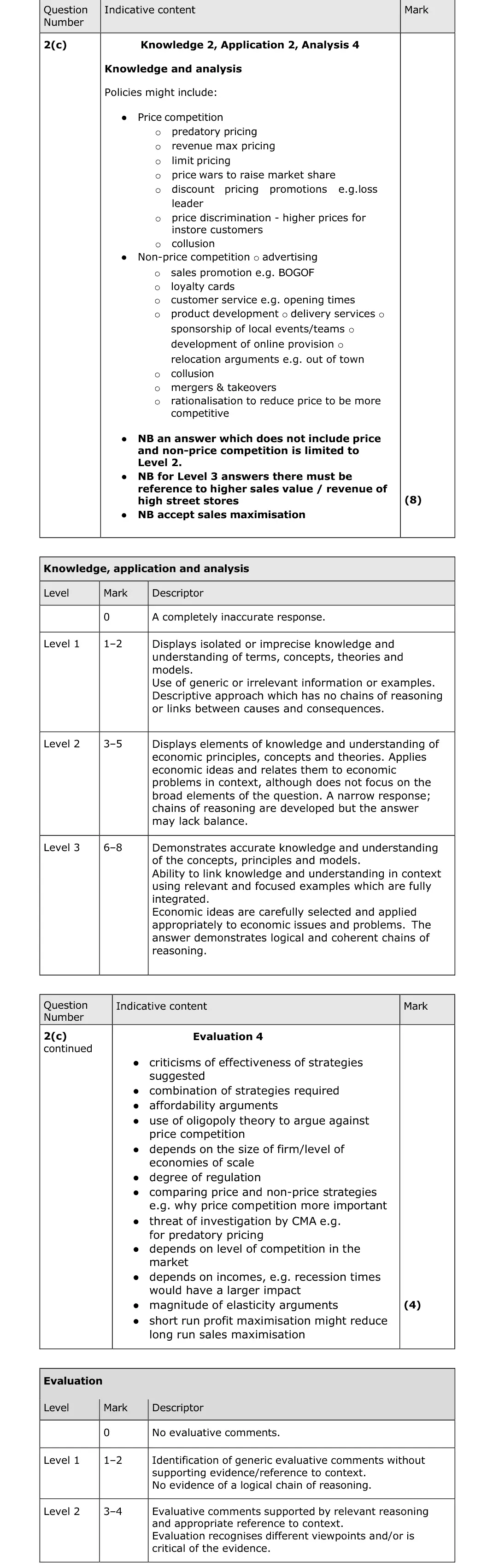
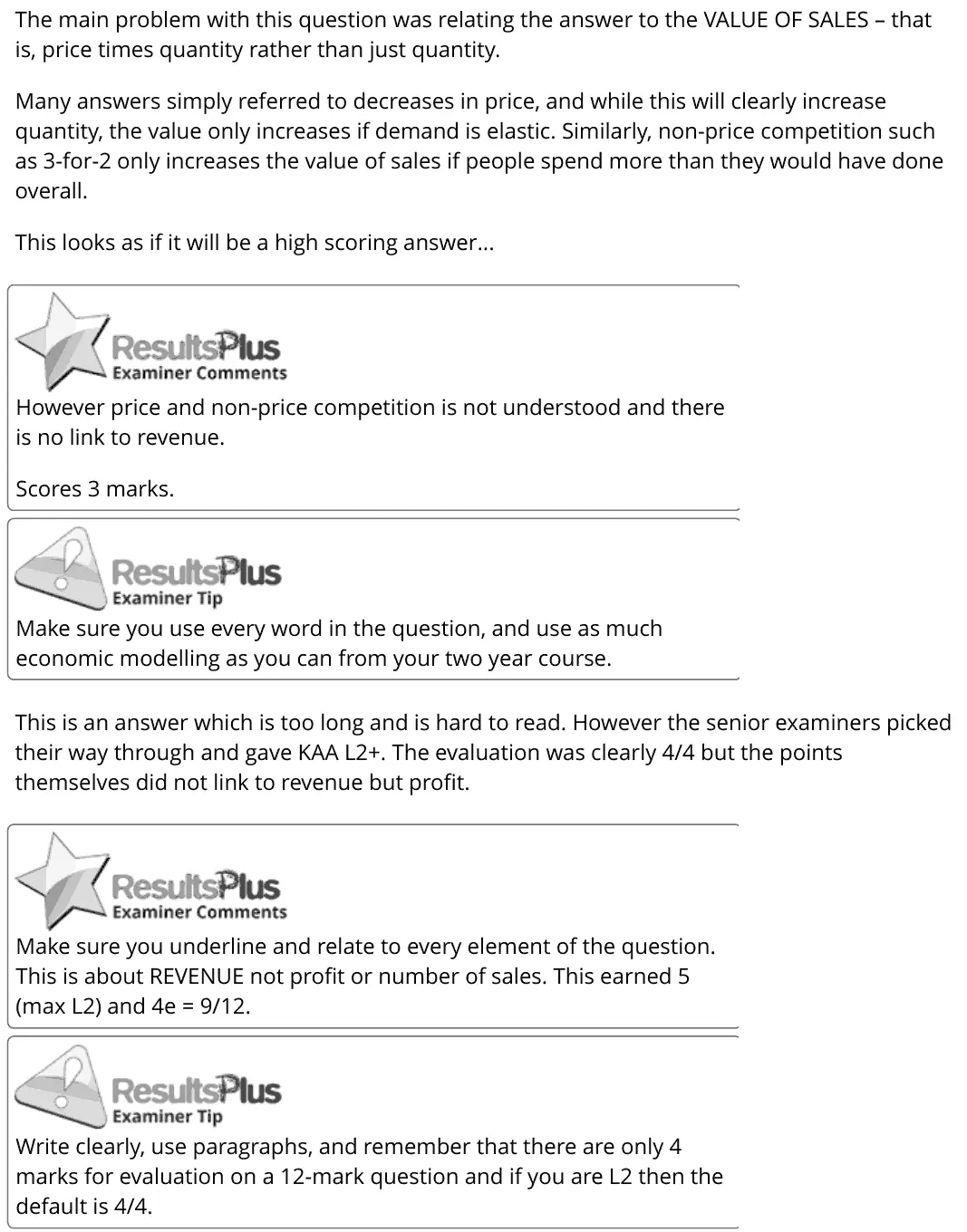
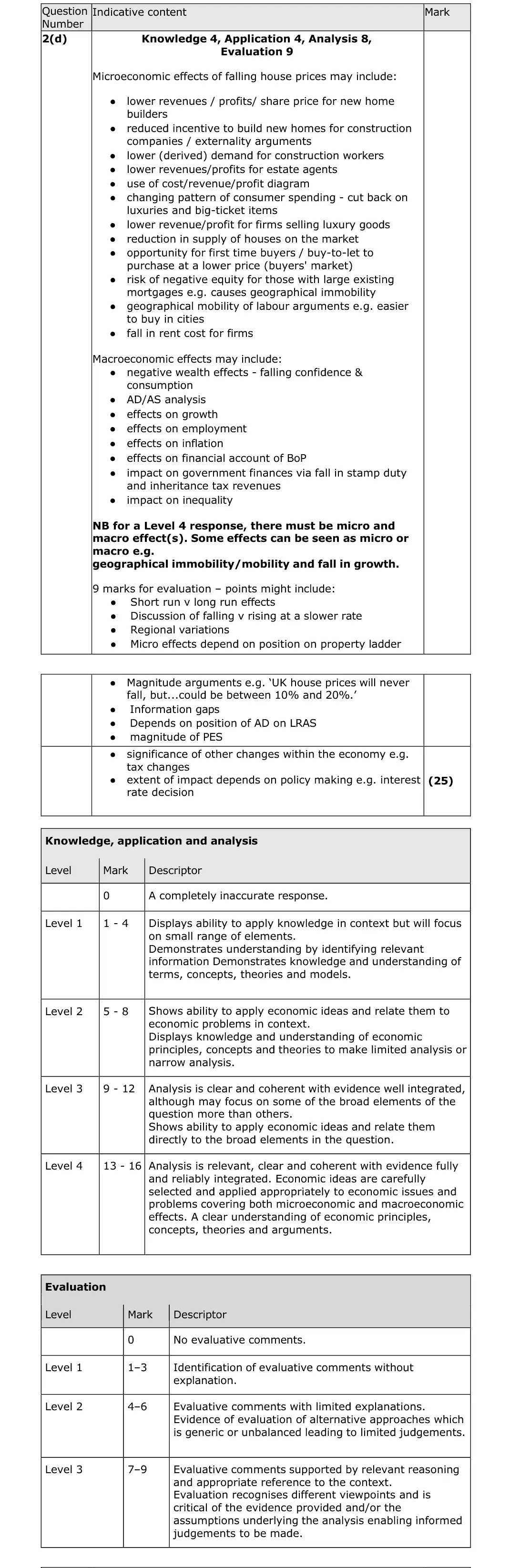
![Changes in the nature of UK towns and cities Figure 3: Growing and declining high street firms – net change in store numbers, 2013–2022 Barbers Beauty salons Cafés and tearooms Nail salons Restaurants Fashion shops Estate agents Post Office services Clothes – women Banks and other financial institutions –4 000 –3 000 –2 000 –1 000 0 1 000 2 000 3 000 4 000 5 000 Net increase/decrease in store numbers (Source: adapted from https://www2.deloitte.com/uk/en/pages/consumer- business/articles/what-next-for-the-high-street.html) Figure 4: House price changes in the UK (%), 2005 to 2022 15 10 5 0 (%) –5 –10 –15 –20 2005 2010 2015 2020 2022 (Source: adapted from https://www.theguardian.com/money/2022/sep/28/ uk-house-prices-may-fall-20-amid-mortgage-carnage-warn-experts) Extract C What next for the high street? A high street is typically found in all UK towns and cities. Shops normally encountered in a typical UK high street can include successful small firms such as independent food retailers, cafés, nail and beauty salons, restaurants and charity shops. They differ from out‑of‑town shopping centres by being more diverse, family‑run and offering local or 5 personalised services. Customers are often very loyal. However, the high street may often have limited access by car or expensive parking facilities. The rise of online retailers such as Amazon and eBay have placed huge pressures on UK high streets, with many well‑known shops – and even successful retail chains – forced to close due to lost business. Many high street firms cannot compete on price with online 10 retailers who – because they frequently have very low fixed costs – can significantly undercut the high street shops on price. Even before online shopping, competition was eroding high street activity, with out‑of‑town retail parks that were not necessarily cheaper but provide a larger range of shops and offer plentiful parking. They offer a shopping experience that other retailing 15 cannot match – pleasant, safe pedestrian shopping, a clean environment, fun activities for children and spend‑the‑day‑there potential. While the list of retail and leisure failures might suggest that the high street does not have a future, some analysts argue the opposite. Many believe that the high street is ideally placed to reinvent itself in response to the structural shift in working and 20 shopping patterns that has resulted from the global health crisis 2020–22. The perceived weaknesses of the high street model – its fragmented ownership, lack of centralised coordination and high vacancy rates – become strengths as they lower the barriers to entry for new concepts and operators. They also enable risk taking and innovation that will ultimately lead to a more flourishing and diverse environment on our local high 25 streets. It should be possible for small firms to flourish even when staff shortages are pushing up wages in the high street, and house price falls damage consumer confidence and spending on perceived luxuries. (Source: adapted from https://www.designingbuildings.co.uk/ and https://www2.deloitte. com/uk/en/pages/consumer-business/articles/what-next-for-the-high-street.html) Extract D UK house prices may fall up to 20% Turmoil on the UK financial markets has prompted analysts to predict that house prices could fall dramatically, and many lenders in the mortgage sector are withdrawing deals. People coming to the end of their fixed‑rate mortgages are seeing rises from 2% to over 5.5%, with increases in the cost of borrowing of over £5 200 a year by 2024 for the 5 average mortgage in the UK. Many people think UK house prices will never fall, but analysts say the fall could be between 10% and 20%. One mortgage lender said that a lack of housing supply will not keep house prices up when mortgage interest rates are somewhere between 5% and 7%. He claimed that ‘the decade‑long property bubble is about to burst […] It’s a buyer’s market now’. The 10 greatest impact will be seen in the southeast of England. (Source: adapted from https://www.theguardian.com/money/2022/sep/28/ uk-house-prices-may-fall-20-amid-mortgage-carnage-warn-experts) Extract E UK job vacancies hit record 1.1 million as labour shortages increase The ratio of jobless people to vacancies is 1.45 to 1, lower than at any point in the last 40 years. Social care for example has 300 000 current unfilled posts. ‘Today’s figures show that labour shortages are now affecting the whole economy,’ said one analyst. ‘There are almost a million people fewer in the labour market, largely due to 5 younger people staying in education and older people dropping out of the workforce.’ The inactivity rate is 21.1%, and many people are not returning to work after the global health crisis. ‘People seeking work do not have the skills or availability that employers need,’ said Kitty Ussher, chief economist at the Institute of Directors. Firms offering higher wages does not solve the issue. 10 (Source: adapted from https://www.ft.com/content/463f4fbd- 3a50-45b5-891c-5cb5ba623df8)](/img/JUN23_9EC003/JUN23_9EC003_02_stem.webp)
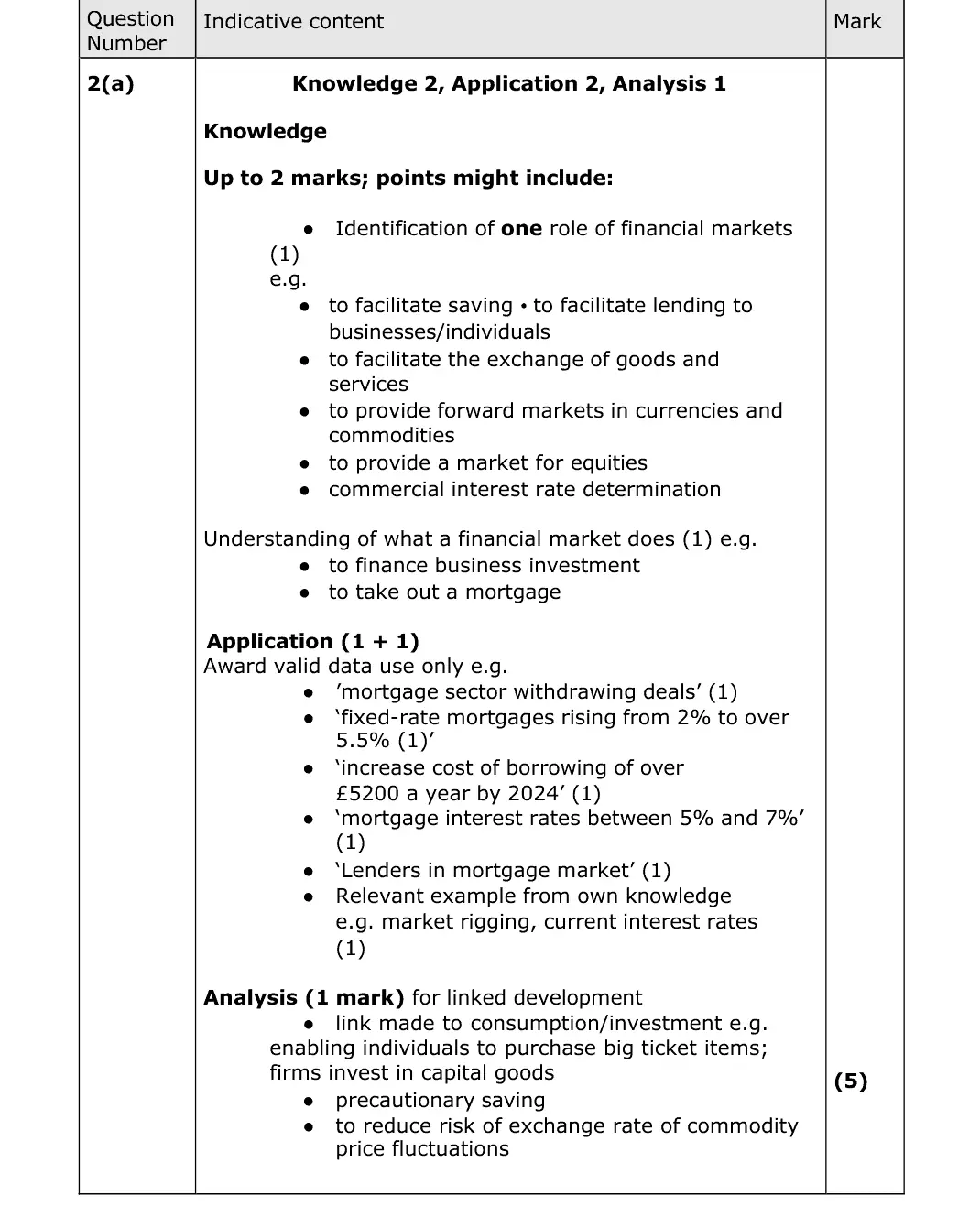
_MS.webp)
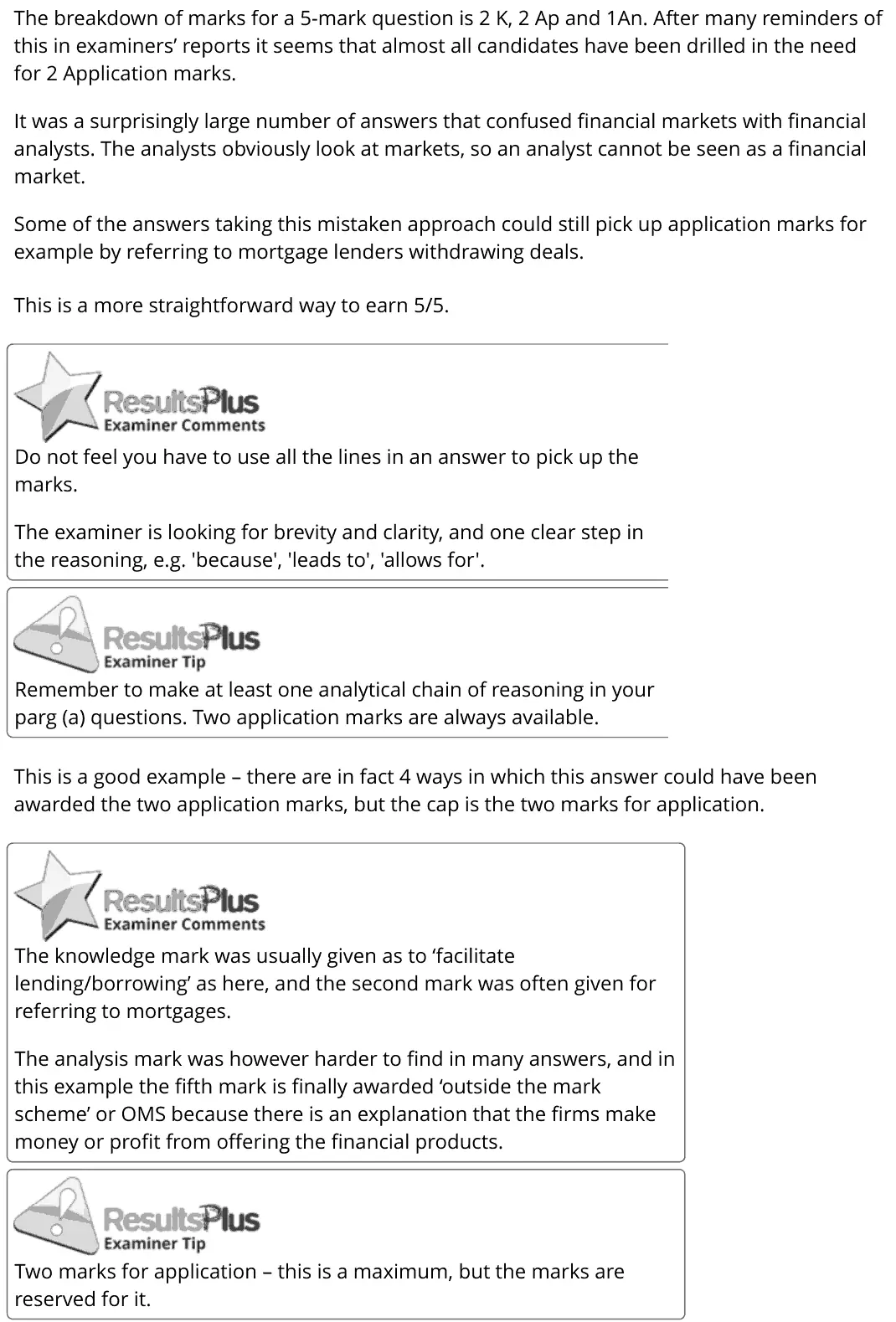
_ER.webp)
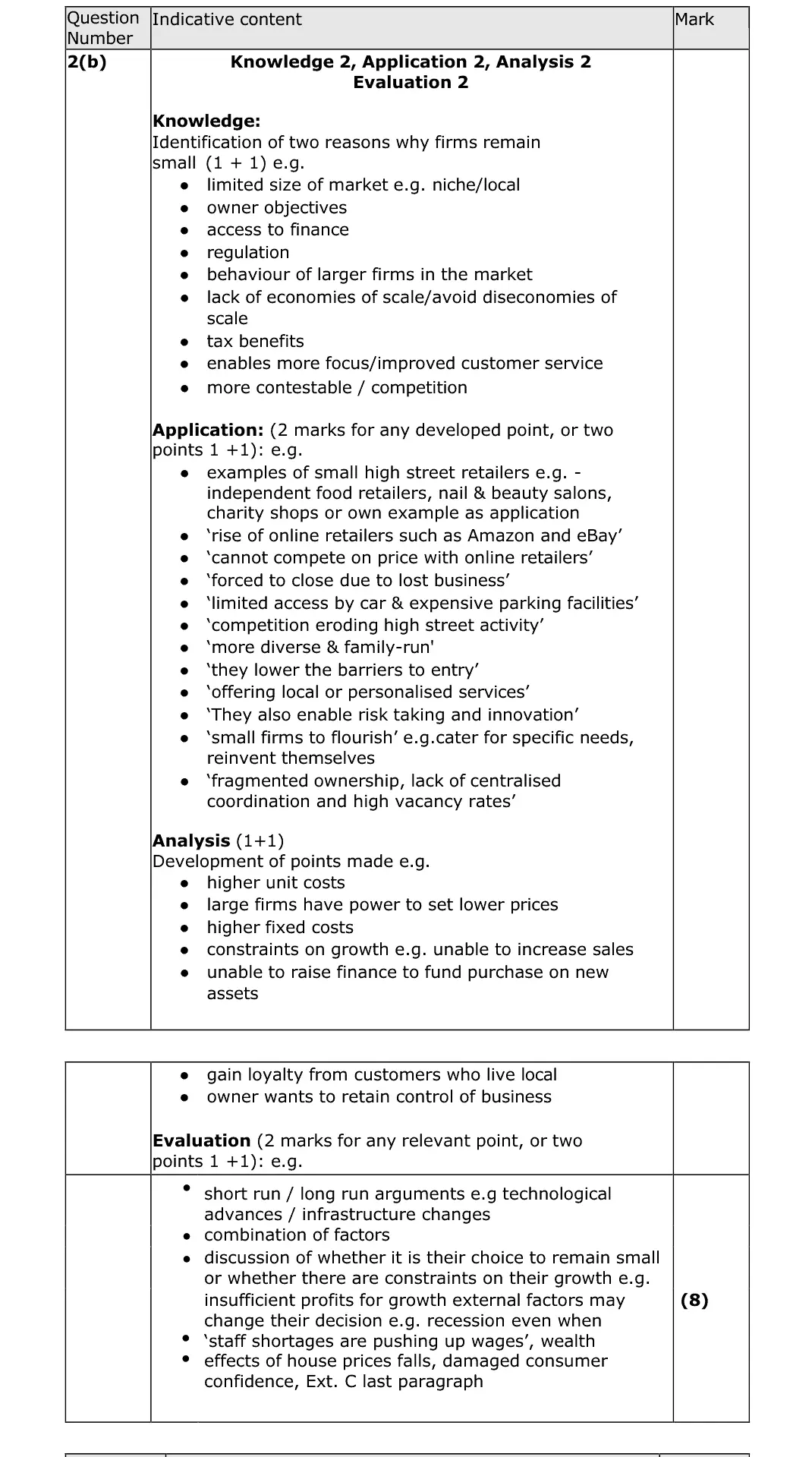
_MS.webp)
_ER.webp)
_MS.webp)
_ER.webp)
_MS.webp)
_ER.webp)
_MS.webp)
_ER.webp)